 HowMuchIsIt
Vinyl Record Value Checker
Photograph your record, label and runout details to estimate its resale range using pressing, condition and comparable sales.
Drop a photo of vinyl record here or tap to check its value
JPG, PNG, WebP, HEIC • Max 50MB • 1 free scan

Analyzing with AI…
Identifying the item and matching value clues


Quick answer: Most everyday vinyl records in 2025–2026 are worth under $20, while common records in worn condition may sell for only $1–$5. Desirable VG+ to NM pressings often bring $15–$40, and scarce editions can reach $50–$150 or more. First pressings, verified matrix numbers and excellent condition can push exceptional records above $1,000. Check the exact Discogs release entry and its median, low and high sale history rather than pricing from the album title alone.
Last updated: August 19, 2026

How to check the value from a photo
Photograph the record and sleeve
Take clear front-and-back photos of the jacket, then photograph both record labels. Include inserts, stickers or numbered markings.
Capture the matrix numbers
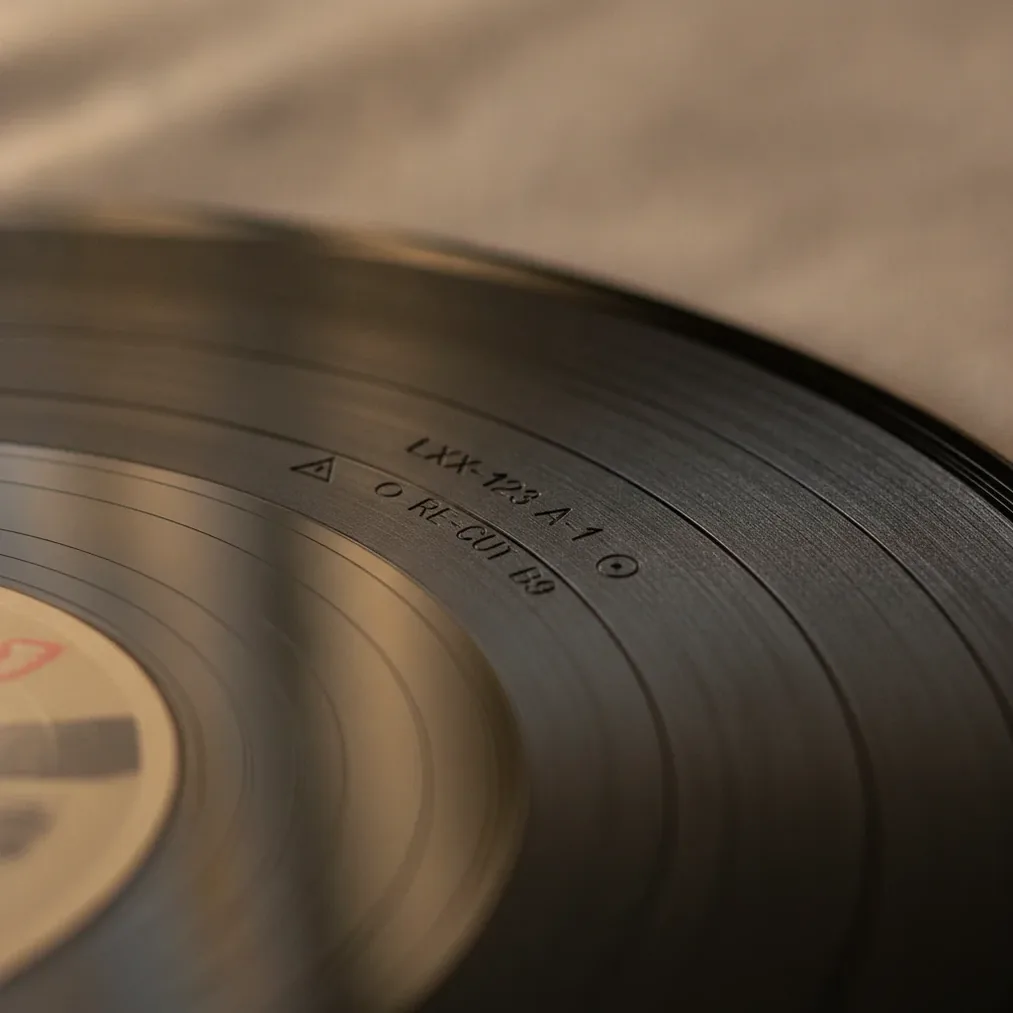
Tilt the record under indirect light and photograph the stamped or etched text between the label and final groove. Both sides are needed to identify the pressing.
Match the exact release
Compare the catalog number, label design, country, format, matrix and cover details with the correct Discogs entry. Do not use the price of a visually similar reissue.
Compare condition-adjusted sales
Use the release's Discogs median, low and high history alongside recent completed sales. A Lens photo estimate can organize visible clues, but play condition and faint runout marks require manual confirmation.
Vinyl record value ranges
Most vinyl record values fall between $1 and $40, and most legitimate secondary-market sales remain within $1–$150 per record. Only a small share of scarce first pressings, mispressings and top-condition records regularly exceeds $100–$200.
| Value tier | Typical price | Common description |
|---|---|---|
| Common used | $1–$5 | Abundant pop, classical, easy-listening and soundtrack titles, often VG or lower |
| Typical collectible | $15–$40 | Desirable classic rock, jazz or indie pressings in VG+ to NM |
| Scarce pressing | $50–$150 | Limited, early or out-of-print releases with established demand |
| High-end collector | $150–$1,000+ | Verified first pressings, private pressings, rare mispressings or scarce EX/NM copies |
Market observations from 2024–2026 place clean common rock staples around $20–$35, compared with approximately $5–$10 for worn copies. Thrift and flea-market stock can be priced at $1–$3, while dealers may list worthwhile VG copies at $3–$5. These are broad bands, not guaranteed sale prices.
It takes under a minute to scan an item to check its value.
Factors that determine record value
Pressing, matrix details, condition, buyer demand and documented sales determine what a record is worth. Artist popularity alone is not enough because two copies of the same album can represent different releases and prices.
| Factor | What to verify | Possible effect |
|---|---|---|
| Pressing | First issue, country and release year | First pressings may bring an inferred 2×–10× premium over common reissues |
| Matrix/runout | Stamped codes, etched codes and mastering initials | Can separate a valuable early cut from a low-value later pressing |
| Condition | Record, sleeve, labels and inserts | NM to VG+ may reduce value by 30–50%; VG can halve it again |
| Variation | Label color, logo, typography, cover and vinyl color | May identify a limited run, withdrawn cover or collectible mispress |
| Demand | Recent completed transactions | Scarcity matters only when buyers actively seek the release |
Country-of-origin and audiophile-favored editions may sell for an inferred two to three times more than generic later EU or US reissues. Minor typos do not automatically add value; the variation must be recognized and scarce.
How matrix numbers identify a pressing
Matrix numbers are often the best way to distinguish a valuable first pressing from a later copy. Read the stamped or hand-etched characters in the runout area on both sides and match the complete sequence to a release listing.
Early codes such as A1/B1 or -1A can indicate an early cutting, although numbering conventions vary by label. Mastering marks can matter as well: an “RL” Robert Ludwig cut or “Porky” and “Pecko Duck” George Peckham inscription may carry a premium on specific titles.
For example, the 2024 auction pattern for Pink Floyd’s UK first pressing of The Dark Side of the Moon depends on the Harvest SHVL 804 catalog number, solid blue triangle labels and A2/B2 matrices. A photograph of the cover alone cannot verify those details, so any image-based result should remain provisional until the runouts are checked.
How condition changes vinyl record values
Condition can change a collectible record's value by half or more. Grade the vinyl and sleeve separately using the Mint, Near Mint, Very Good+, Very Good, Good and Poor scale used in Goldmine-style grading and on Discogs.
| Grade | General meaning | Value guidance |
|---|---|---|
| Mint | Perfect and unused | Rarely appropriate for an opened record |
| Near Mint | Minimal evidence of handling | Collector-grade benchmark |
| Very Good+ | Minor wear without major playback problems | May be 30–50% below NM |
| Very Good | Noticeable wear and audible defects | Can be about half the VG+ price |
| Good or Poor | Heavy wear, damage or playback issues | Often worth a fraction of the NM price |
Inspect scratches, warping, spindle marks, writing, seam splits, ring wear and missing inserts. A visual check cannot reliably reveal every skip, crackle or groove defect, so play grading is especially useful for expensive records.
Documented sold-price examples
Confirmed release details can separate a $1 record from one worth thousands of dollars. The following public auction and marketplace examples from 2023–2025 show why edition and condition must accompany every price.
| Record | Sale price | Venue and year |
|---|---|---|
| Pink Floyd, The Dark Side of the Moon, UK solid blue triangle A2/B2 | About $1,000 before fees | Major UK record auction, 2024 |
| The Beatles, Please Please Me, UK black/gold Parlophone | About £4,500–£5,000, or $5,700–$6,300 | UK specialist auction, 2024 |
| The Velvet Underground & Nico, first US unpeeled banana and torso cover | About $2,000–$3,000 | US specialist auction, 2023–2024 |
| Nirvana, Bleach, first US white vinyl | About $1,200–$1,800 | Discogs and eBay completed sales, 2023–2025 |
| 1970s mass-market easy-listening or organ LP | $1–$3 | Discogs and eBay sold listings, 2024–2025 |
| Out-of-print audiophile 45 rpm double LP | $60–$120 used | Discogs and eBay resale, 2024–2025 |
These prices apply to the specified versions, not every copy of each album. For comparison, later Beatles black/yellow issues were typically $100–$400, later Velvet Underground non-torso covers often brought $300–$800, and later Nirvana represses tended to fall around $100–$300.
How a vinyl record value checker estimates price
A reliable estimate matches the exact pressing, reviews completed sales and adjusts for condition. It is a resale range, not a certified appraisal or a promise that a buyer will pay the displayed amount.
- Read the artist, title, catalog number, country and format from clear photos.
- Verify label, cover, color and matrix variations against a specific release.
- Review that release's Discogs median, low and high transaction history.
- Compare recent eBay completed sales and specialist-auction results where available.
- Adjust the range for separate vinyl and sleeve grades.
A Discogs median of $20–$30 reflects recorded marketplace transactions for the catalog entry, but the result is useful only if the entry is correct. A photo tool such as Lens can narrow the possibilities; faint matrices, audio defects and counterfeit indicators still need hands-on review. Last reviewed: August 19, 2026.
Where to sell valuable vinyl records
Use Discogs or eBay for individually identified records, and consider a specialist auction for verified high-end pressings. Common $1–$5 records are often better suited to local sale or grouped lots because their individual resale value is low.
- Discogs: Best suited to catalog-specific listings where buyers compare pressing data and recorded marketplace prices.
- eBay: Useful for completed-sale research and for records that benefit from broad buyer exposure.
- Specialist auction: Appropriate for authenticated first pressings and records with documented values in the hundreds or thousands of dollars.
- Local dealer or record fair: Practical for common collections, although an offered amount may differ from the likely individual resale total.
Before listing, photograph both labels, both runouts, the vinyl under angled light and every sleeve defect. Describe the grade conservatively and do not apply a rare pressing's $1,000 sale to an unverified reissue.
Compare your record and sleeve separately with the Discogs condition grading guide before selecting a sale price.
Check it with one photo
The scanner on this page gives you one free check. For unlimited scans, sold-price comparisons, and identification of coins, antiques, cards, and more, the free Lens app does the same job from your phone camera.
Frequently Asked Questions
Are my records worth anything?
Most everyday records are worth under $20, and abundant worn titles may sell for $1–$5. Records are more likely to exceed $50 when they are scarce pressings, in strong condition and supported by completed sales.
How do I find the exact pressing of a vinyl record?
Match the catalog number, country, label design, cover variation and matrix inscriptions from both runouts. The title and release year printed on the sleeve are not enough because later reissues can look similar.
What do Discogs median prices mean?
Discogs reports low, median and high prices from recorded marketplace transactions for a specific catalog entry. The median is a useful reference, but condition and an incorrect release match can make an individual copy worth less or more.
How accurate are photo value estimates for vinyl?
Photos can identify visible catalog, label, cover and condition clues, but they cannot always read faint runouts or detect playback defects. Accuracy improves when photos include both labels, both matrix areas and close-ups of wear.
Do scratches make a vinyl record worthless?
Not always, but scratches can reduce value sharply. Research-based grading guidance indicates that NM to VG+ may cut value by 30–50%, while a move from VG+ to VG can halve the price again.
Are first pressings always valuable?
No. First pressings can bring an inferred 2×–10× premium for major collectible titles, but an abundant or unwanted first issue may still be worth only a few dollars.
What matrix numbers make a record valuable?
There is no universal valuable matrix number. Early cuts such as A1/B1, -1A or title-specific marks such as A2/B2 and “RL” matter only when they correspond to a sought-after release.
Should I clean a record before checking its value?
Remove loose dust carefully so surface condition and runout text can be photographed clearly. Cleaning does not erase scratches, warping, groove damage or sleeve wear, so those defects must still be disclosed.