 HowMuchIsIt
Curio Alternatives for Photo Identification and Value
Compare Curio with free photo-based options using pricing, ratings, valuation methods and practical limitations.
Drop a photo of curio item here or tap to check its value
JPG, PNG, WebP, HEIC • Max 50MB • 1 free scan

Analyzing with AI…
Identifying the item and matching value clues


Quick answer: A good Curio alternative should identify an item from a photo, provide transparent value evidence and avoid an unwanted subscription. Curio is free to install, but listed in-app purchases include $6.99 weekly, $19.99 monthly and yearly plans from $29.99 to $49.99, per the Apple App Store in 2025–2026. Free options include the Lens app for photo-based value checks and Google Lens for visual identification, although Google Lens is not primarily a valuation tool. No automated estimate, including Curio’s, is a substitute for a certified appraisal.
Last updated: August 19, 2026
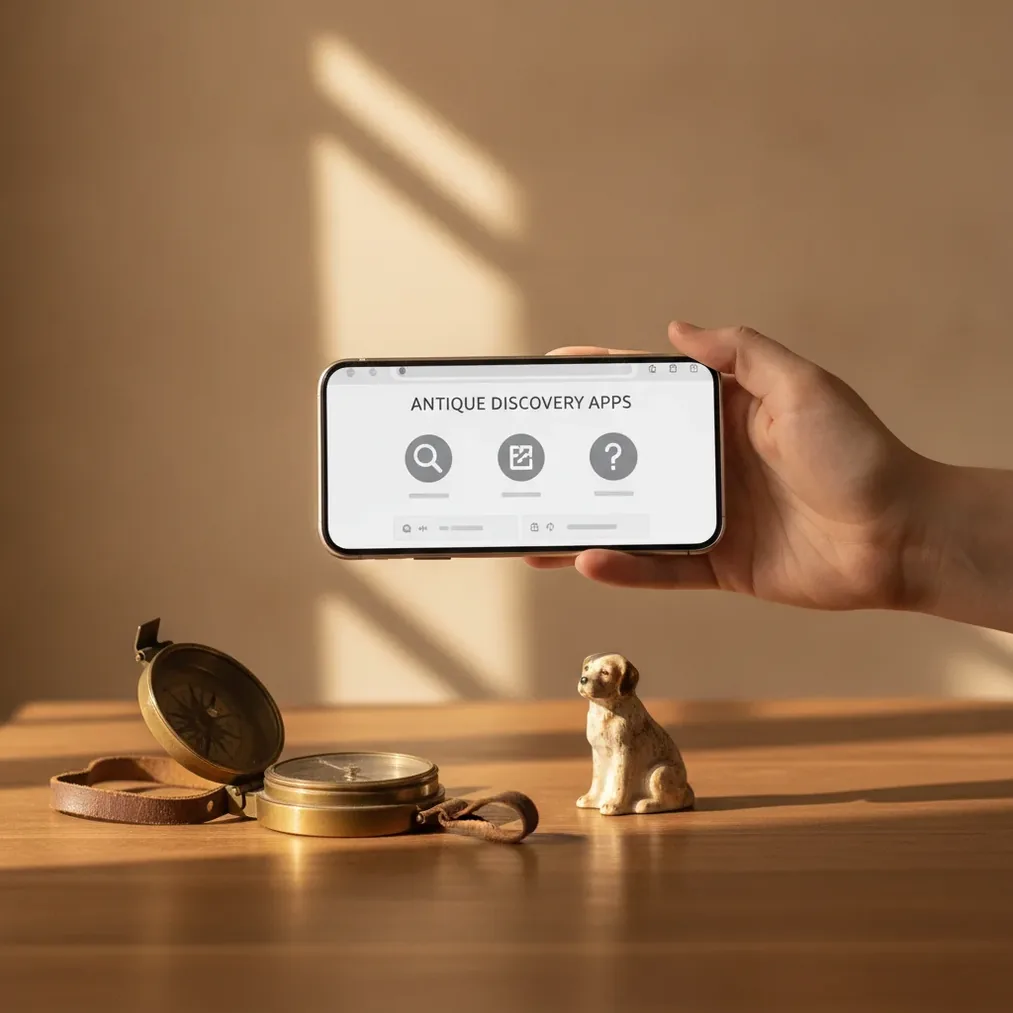
How to check the value from a photo
Take clear photos
Photograph the entire object in even light, then capture labels, signatures, maker’s marks, materials and visible damage. More complete visual evidence gives an identification tool a better basis for matching the item.
Run a photo identification
Upload the clearest image to Curio or a free photo-based alternative. Treat the returned name, period or category as a starting point rather than a confirmed attribution.
Check resale evidence
Look for sold comparisons that match the identified maker, model, size, material and condition. Underpriced AI and Vendoo reported in 2026 that marketplace-aware tools increasingly differentiate themselves by using resale data and sold comps.
Escalate valuable or uncertain items
Use an expert when authorship, authenticity or condition cannot be established from photos. An automated value is a rough estimate, not a certified appraisal for insurance, tax, estate or legal use.
Is Curio a good antique identification app?
Curio is a convenient option for quick photo identification and rough antique or collectible values, but it should not be treated as expert authentication. It is available on iOS and Android from Dionysus Labs, LLC, according to the Apple App Store in 2025–2026 and Google Play in 2026.
The app asks users to photograph an object and uses AI to suggest what it is and what it may be worth. Its strongest public signals are a 4.8/5 App Store rating from about 15K ratings and a 4.6/5 Google Play rating from about 2.52K reviews.
Chrome-Stats’ 2025 review aggregation says users commonly praise fast identification, usefulness for collectors and affordability compared with in-person appraisal. Those ratings indicate user satisfaction, not a measured identification or valuation accuracy rate.
Upload a photo to see what this item is worth before you sell or donate it.
How do Curio alternatives compare?
The main differences between Curio and apps like Curio are price, purpose and whether value results are supported by resale evidence. Curio combines identification and rough valuation, while free alternatives may focus on either photo-based estimates or visual search.
| Option | Published cost | Best suited to | Main limitation |
|---|---|---|---|
| Curio | Free download; $6.99 weekly, $19.99 monthly or $29.99–$49.99 yearly options | Fast antique and collectible identification with a rough value | Exact authoritative free-scan limit was not verified; users report paywall and accuracy concerns |
| Lens app | Free | Checking an item from a photo without starting a paid subscription | An automated result is not a certified appraisal |
| Google Lens | Free baseline option | General visual identification and finding similar objects | Typically used for identification rather than reliable valuation |
| Expert appraisal | No price supplied in the research | Authentication, high-value property and formal documentation | Not an instant automated photo estimate |
Underpriced AI and Vendoo reported in 2026 that users increasingly compare these tools by pricing, scan limits and the quality of valuation data. A tool showing relevant resale evidence offers more context than one returning an unexplained number.
How much does Curio cost?
Curio is free to download with paid in-app purchases, but the exact authoritative free-tier scan limit was not verified in the supplied research. Apple’s 2025–2026 listing shows weekly, monthly and several yearly purchase options.
| Curio purchase option | Listed price |
|---|---|
| App download | Free |
| Premium Weekly | $6.99 |
| Premium Monthly | $19.99 |
| Yearly option | $29.99 |
| Yearly option | $39.99 |
| Yearly option | $49.99 |
These are separate prices displayed by the App Store, not a claim that every user sees or needs every option. Third-party pages mention a small free quota, but the available authoritative store results did not confirm a specific number, so no free-scan allowance should be assumed.
What are Curio’s strengths and common complaints?
Curio’s clearest strengths are speed, convenience and strong store ratings; its recurring complaints involve free-use limits, occasional incorrect identifications, support responsiveness and usability friction. These themes come from Chrome-Stats’ 2025 aggregation of user feedback rather than a controlled accuracy test.
- Fast photo results: Reviewers commonly praise quick identification from an uploaded image.
- Collector utility: Users describe it as helpful when investigating antiques and collectibles.
- Accessible starting point: Some users regard it as an affordable alternative to beginning with an in-person appraisal.
- Identification concerns: Some reviews report occasional inaccurate matches, so marks and construction details should be checked independently.
- Payment concerns: Limited free usage is a repeated complaint, although an exact store-verified scan limit was unavailable.
- Support and interface concerns: Some reviewers mention slow support responses or usability friction.
Curio should not be dismissed because of individual complaints, nor should its 4.8/5 and 4.6/5 ratings be interpreted as proof that every estimate is correct.
How should a photo value estimate be verified?
A photo estimate should be verified by confirming the identification, recording condition and comparing the item with closely matched sold listings. Marketplace-aware valuation tools increasingly emphasize resale data and sold comps, according to Underpriced AI and Vendoo in 2026.
Start with maker’s marks, model numbers, signatures, dimensions and materials. Record chips, cracks, repairs, missing components, wear and any packaging because the comparison should match the photographed item as closely as possible.
No dated item-level sold-comparable examples were included in the supplied Curio research, so none are quoted here. A trustworthy result should identify the source and date of each comparison rather than presenting an unsupported dollar figure. Asking prices are not the same evidence as completed sales.
If the object may be rare, counterfeit, restored or materially valuable, use a qualified specialist. Curio and other automated tools provide rough guidance; they do not certify authenticity or produce a formal appraisal.
Which Curio alternative should you choose?
Choose Curio if you want a dedicated antique-focused tool and accept its in-app pricing; choose a free photo option when avoiding subscription charges matters most. Use Google Lens when identification is the primary goal, but seek sold-market evidence or expert review before relying on any value.
The category spans iOS, Android and web tools, with substantial overlap between general visual search and niche valuation apps, according to Underpriced AI and Vendoo in 2026. Compare each option on whether it explains the identification, discloses pricing, shows resale evidence and lets you inspect the underlying comparisons.
Most ordinary objects will not justify a formal appraisal. Exceptions can include items with uncertain authenticity, potentially significant authorship, unusual materials or value needed for insurance, estate, tax or legal purposes.
Last reviewed: August 19, 2026. Pricing and ratings can change, so verify the current store listing before purchasing.
Check the Curio App Store listing for the latest displayed rating, availability and in-app purchase prices.
Check it with one photo
The scanner on this page gives you one free check. For unlimited scans, sold-price comparisons, and identification of coins, antiques, cards, and more, the free Lens app does the same job from your phone camera.
Frequently Asked Questions
What is the best free Curio alternative?
The best free option depends on whether you need identification or value guidance. Google Lens is a free baseline for visual identification, while a free photo-based value checker may be more useful when you also want a rough resale estimate.
Is Curio free to use?
Curio is free to download, but the Apple App Store lists in-app purchases of $6.99 weekly, $19.99 monthly and yearly options from $29.99 to $49.99. The supplied authoritative store research did not verify an exact free-tier scan limit.
How accurate are photo value estimates?
The research provides no measured accuracy percentage for Curio or competing photo tools. Accuracy can be checked only by confirming the identification and comparing the item with relevant, dated sold results in similar condition.
Can Google Lens tell me what an antique is worth?
Google Lens can help identify an object and locate visually similar items, but it is typically used for identification rather than reliable valuation. Similar-looking asking prices should not be treated as confirmed market value.
Can an antique identification app replace an appraiser?
No. Curio and similar apps provide convenient identification and rough-value guidance, but they do not replace expert authentication or a certified appraisal for insurance, tax, estate or legal purposes.
What photos help identify an antique?
Use a clear full-object photo plus close-ups of labels, signatures, maker’s marks, materials, construction and damage. Include multiple angles when one image does not show the item’s identifying details or condition.
What should I compare before paying for an identification app?
Compare the subscription price, free-scan policy, platform availability and whether the value is supported by sold-market data. In 2026, pricing, scan limits and valuation-data quality are the category’s main comparison criteria, according to Underpriced AI and Vendoo.