 HowMuchIsIt
Coin Value Checker by Photo
Photograph your coin to estimate its value from the date, mint mark, type and visible condition.
Drop a photo of coin here or tap to check its value
JPG, PNG, WebP, HEIC • Max 50MB • 1 free scan

Analyzing with AI…
Identifying the item and matching value clues


Quick answer: Most modern circulated U.S. coins are worth face value to $1–$3, while common silver and bullion coins often sell for about $11–$35 each. Common Morgan and Peace silver dollars generally fall between $30 and $70, and modestly scarce collector coins often bring $20–$200. Certified key dates, major errors and high-grade coins can be worth $300 to many thousands of dollars. A coin value checker provides an initial estimate, but authentication and professional grading may be needed for a potentially rare coin.
Last updated: August 19, 2026
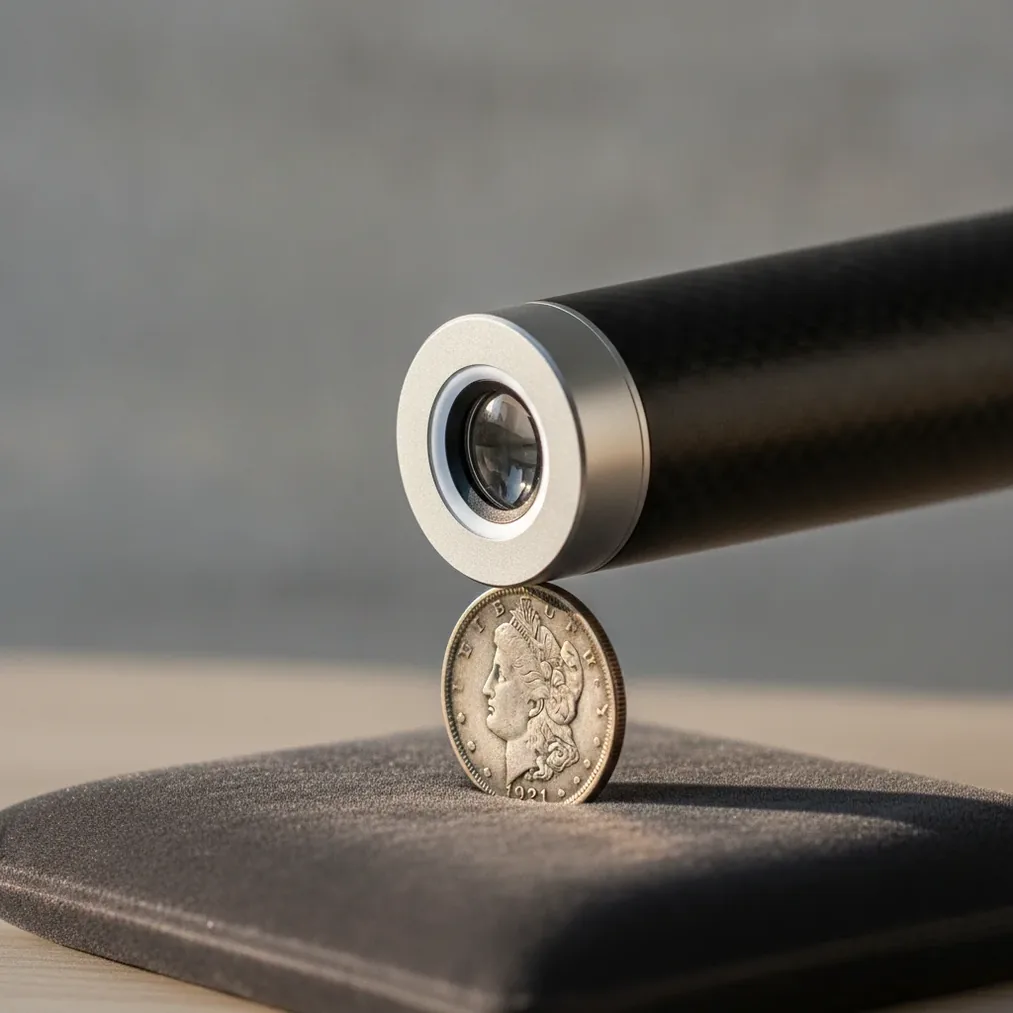
How to check the value from a photo
Photograph both sides
Place the coin under even light and take sharp, straight-on photos of the obverse and reverse. The date, lettering and major design details should remain readable.
Capture the mint mark
Add a close photo of any CC, S, D or O mint mark and any area that may contain an error. A date without its mint mark can point to the wrong variety and price.
Scan and identify
Upload the images to a coin value checker by photo, such as the Lens app. Review the suggested denomination, date, mint, metal type and visible grade instead of relying on the first match alone.
Compare the right market
Compare the estimate with dated sales or listings for the same date, mint mark and approximate grade. Separate bullion value from collector value before deciding whether to sell or seek certification.
How much is my coin worth?
Most coins are worth from face value to about $30 each, while typical collector coins often bring $30–$300. The exceptions are certified key dates, major errors and top-grade pieces, which can sell for $300 to thousands of dollars.
| Value tier | Typical 2025–2026 range | Common examples |
|---|---|---|
| Face-value coins | Face value to $1–$3 | Circulated 1965-and-later clad coins, state quarters and modern dollar coins |
| Silver and bullion | About $11–$35 | Circulated 90% silver coins and common 1-ounce bullion coins |
| Collector coins | $30–$300 | Common silver dollars, lower-end certified coins and modestly scarce types |
| High-value coins | $300 to many thousands | Certified key dates, major varieties, major errors and high grades |
Common-date Morgan and Peace dollars generally fall around $30–$70 in circulated mid-grades. Raw 19th- and 20th-century coins with modest scarcity often sell for $20–$200, while most modern circulated coins remain at face value unless they have an error, variety or exceptional certified grade.
If you keep asking yourself how much is it worth, a photo scan is the fastest first check.
Which factors determine an old coin’s value?
Date, mint mark, grade, metal content and scarcity usually matter more than age alone. An old coin value checker must match the complete date-and-mint combination because neighboring issues can have very different values.
| Factor | Why it changes value | What to inspect |
|---|---|---|
| Mint mark | Some mints produced scarcer issues | CC, S, D, O or no visible mark |
| Key date | Low-mintage combinations attract stronger collector demand | Exact year, type and mint |
| Grade | Values can rise between AU, MS-60+ and top-pop grades | Wear, remaining detail and visible marks |
| Metal | Silver or gold creates an intrinsic value floor | Correct type and composition |
| Certification | Recognized grading can improve trust and liquidity | PCGS or NGC holder and assigned grade |
Classic key dates include the 1909-S VDB and 1914-D Lincoln cents, 1916-D Mercury dime, 1893-S and 1889-CC Morgan dollars, and 1916 Standing Liberty quarter. PCGS tracks scarce date, mint and grade combinations through its Key Dates and Rarities Index, which stood near $36,886 on April 16, 2025.
Is silver melt value the same as collector value?
No. Melt value reflects the silver contained in a coin, while collector value can add a premium for its date, mint, grade or variety.
Common 90% silver dimes, quarters and half dollars often trade close to silver value. A 2025 collector-board transaction priced 40 circulated 90% silver quarters at $475, or $11.88 each, while small quantities of common silver half dollars typically ranged from $12–$20 per coin.
Common 1-ounce silver bullion coins generally sold around $28–$35 during 2025–2026, based on silver in the low- to mid-$20s per ounce plus a typical $4–$10 retail premium. A large marketplace bullion seller listed 1-ounce coins at about $30.84 in early 2025. A scarce date or high grade can justify more than melt, so metal value should be treated as a baseline rather than the final estimate.
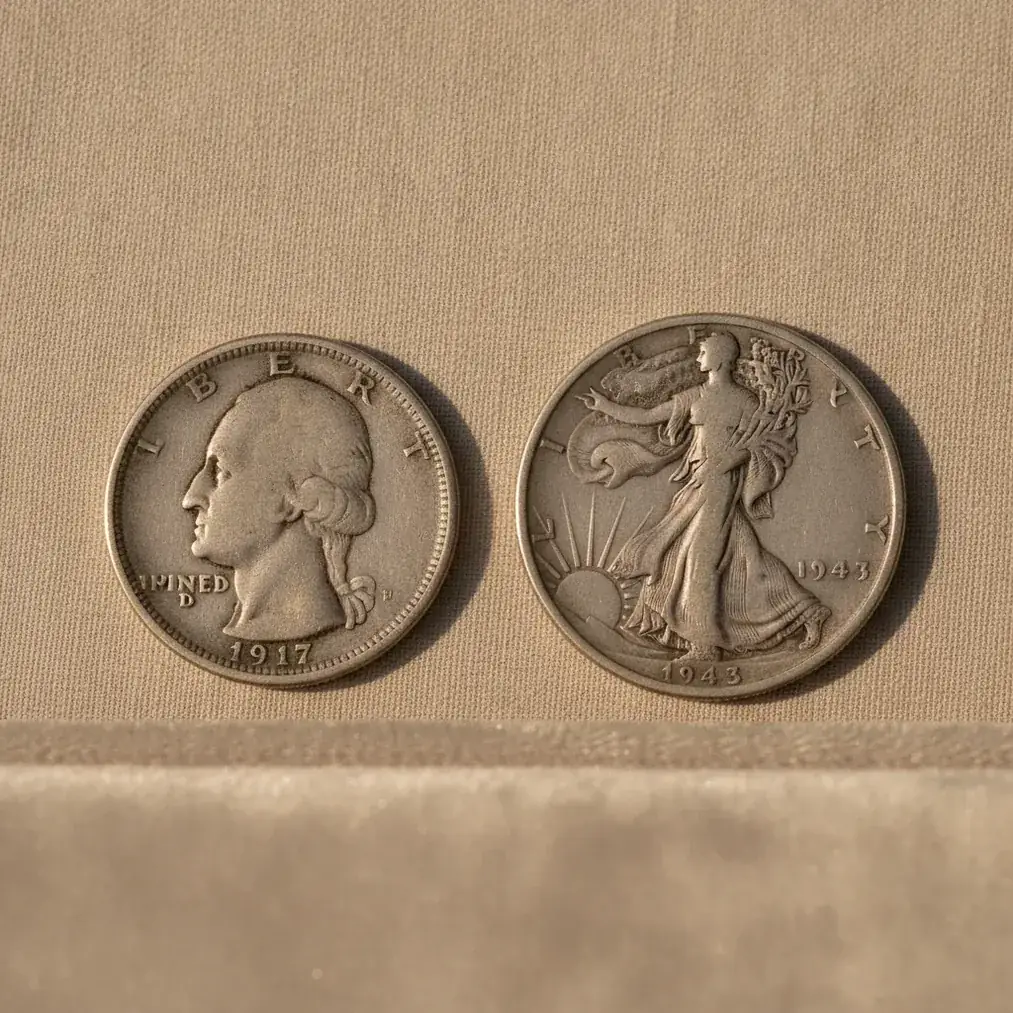
How does coin grading affect price?
Coin value can change sharply with grade, particularly between About Uncirculated and Mint State or among high Mint State grades. A photo can suggest a condition range, but it does not provide the certainty of recognized third-party grading.
PCGS separates Mint State and Proof coins in dedicated market indexes because grade is central to pricing. Its Mint State Type Coin Index was around $78,470 in April 2024, while the Twentieth Century Coin Index was around $55,466 in May 2024; these are basket values, not prices for one coin.
For a photo estimate, compare visible wear and detail with examples of the same coin rather than another denomination or year. PCGS or NGC certification usually improves buyer confidence and liquidity for key dates and higher-grade coins, but most face-value-to-$3 modern coins do not belong in the same market as certified rarities.
What do recent coin sale examples show?
Recent examples show why comparable sales must match the coin and transaction type. A $30.84 bullion listing, a $57 BU Silver Eagle and a $106.99 promotional bundle do not establish the same kind of value.
| 2025 example | Price | Venue |
|---|---|---|
| 10 BU American Silver Eagles | $570, or $57 each | Online collector trading board |
| 40 circulated 90% silver quarters | $475, or $11.88 each | Online collector trading board |
| 1-ounce silver bullion coin | About $30.84 | Large retailer storefront on a marketplace |
| Half dollar plus BU silver bundle | About $59.99–$62.99 | eBay |
| Silver dollar and 1909 penny bundle | About $106.99 | eBay |
The eBay bundles included marketing and multiple items, so their package prices should not be assigned to one underlying coin. The method used here is to identify the coin, separate intrinsic and collector value, estimate a visible grade range, and compare dated examples with the closest available date, mint, type and condition.
Where should I sell a valuable coin?
Sell common bullion where fees and spreads are clear, and consider a specialist dealer, collector marketplace or numismatic auction for scarce coins. The right venue depends on whether the likely value is $12 in silver, $30–$300 as a collector coin, or thousands for a certified rarity.
- Bullion buyer or dealer: Suited to common silver coins whose price is primarily tied to metal value.
- Collector marketplace: Useful when buyers can evaluate a recognizable date, mint mark and grade range.
- Specialist coin dealer: Appropriate when identification, authenticity or a key date needs closer review.
- Numismatic auction: Better aligned with certified key dates, top-grade pieces and rarities worth $300 to many thousands.
An automated estimate is not a certified appraisal or guarantee of a sale price. Photo quality, authenticity, exact variety, grade and changing metal prices can alter the result. This page was last reviewed August 19, 2026, using 2024–2026 PCGS index data and 2025 marketplace examples.
For context on the high-end market, review the Key Dates and Rarities Index published by PCGS.
Check it with one photo
The scanner on this page gives you one free check. For unlimited scans, sold-price comparisons, and identification of coins, antiques, cards, and more, the free Lens app does the same job from your phone camera.
Frequently Asked Questions
How accurate are coin value estimates from a photo?
A clear photo can support an initial range when the date, mint mark, type and visible condition are readable. It cannot guarantee authenticity or an exact professional grade, both of which can move a coin from a $30 estimate to $300 or more.
Does an old coin automatically have collector value?
No. Many older or modern common-date coins are worth face value to $1–$3, while ordinary raw collector coins often bring $20–$200. Scarcity, mint mark and grade matter more than age by itself.
What mint marks can make a coin valuable?
CC, S, D and O can indicate scarcer issues in particular U.S. coin series. A mint mark is not automatically valuable; it must be evaluated with the exact date, type and grade.
How can I tell if my coin is a key date?
Match its year, mint mark and type against a series-specific reference. Examples include the 1909-S VDB cent, 1916-D Mercury dime, 1893-S Morgan dollar and 1889-CC Morgan dollar.
Are silver coins worth more than face value?
Common 90% silver coins usually trade near melt value and therefore above face value. In one 2025 collector-board transaction, 40 circulated silver quarters sold for $475, equal to $11.88 per quarter.
How much are common Morgan silver dollars worth?
Many non-key Morgan and Peace silver dollars in circulated mid-grade condition fall around $30–$70 in the 2025–2026 market. A scarce mint, key date or stronger certified grade can be worth much more.
Should I have my coin professionally graded?
Professional grading is most relevant when a coin may be a key date, important variety or high-grade piece worth $300 or more. Recognized PCGS or NGC certification can improve trust and liquidity, but it does not turn a common face-value coin into a rarity.
Why do coin prices differ between listings and sold examples?
A listing shows what a seller asks, while a completed transaction reflects an accepted price. Bundles also include multiple coins and marketing, such as 2025 eBay packages priced around $59.99–$62.99 or $106.99, so they are poor comparables for one unidentified coin.